
Ear Wax Removal Ebbw Vale
Professional ear wax removal in Ebbw Vale using endoscopic microsuction, with a free hearing test included after your appointment.

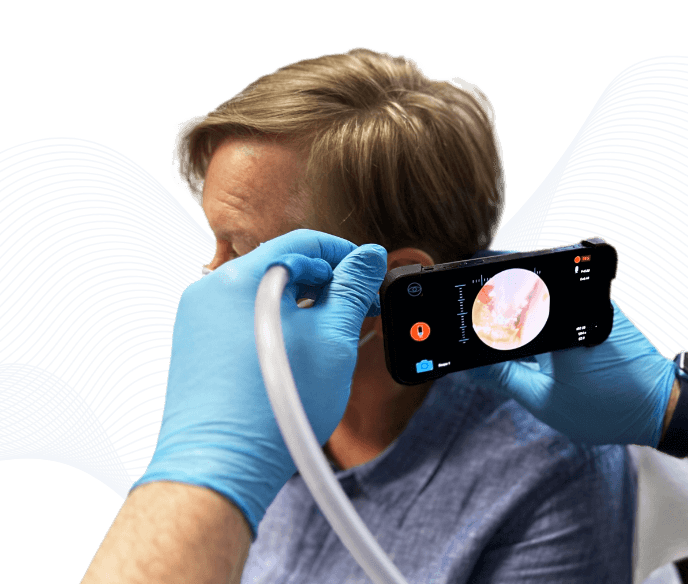
Our process
Each appointment is centred around understanding your symptoms, checking your ears carefully and choosing the most appropriate treatment.
01. Medical history
Your appointment begins with a conversation about your symptoms, hearing concerns and any relevant medical history. This gives our audiologists a clearer picture of your ear health and helps guide the treatment approach.

02. Ear wax examination
Your ears will then be examined to confirm whether wax build-up is causing the problem. If ear wax is not found, you will still receive a consultation and, where appropriate, may be offered a free hearing test or other treatment instead.
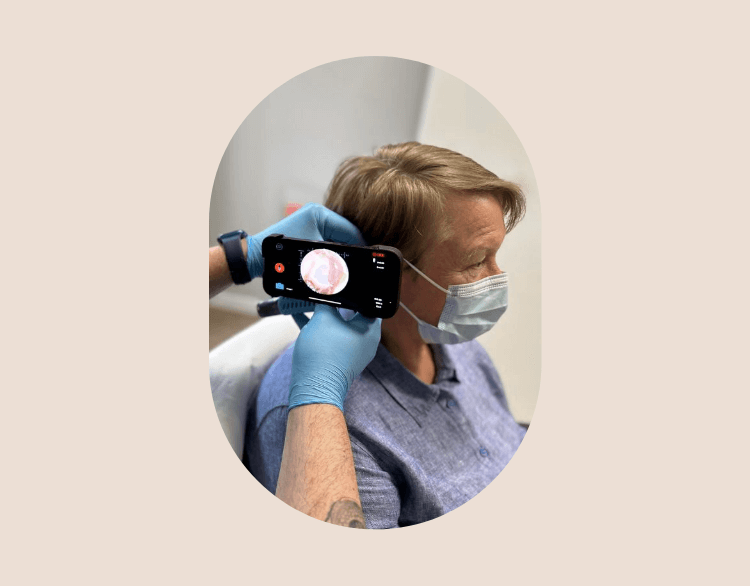
03. Ear wax removal and hearing test
Where ear wax is present, it will usually be removed using endoscopic microsuction. This method allows our audiologists to see clearly inside the ear canal during treatment, helping them work safely and precisely. Irrigation and curettage removal may also be offered where suitable. Once treatment is complete, you will also be offered a free hearing test.
Treatment options for ear wax removal
01.
Endoscopic Removal
Endoscopic ear wax removal uses an endoscope to provide a close, detailed view of the ear canal throughout treatment. This supports accurate removal and may be especially suitable for patients with perforations or a mastoid cavity.
02.
Irrigation Removal
Irrigation ear wax removal clears softer wax using a gentle stream of warm water. It does not involve traditional syringing and can be an effective option for patients with sensitive ears.
03.
Curettage Removal
Curettage ear wax removal involves carefully removing wax by hand using a small, curved instrument. This method can work well for harder wax and may also suit patients with tinnitus or sensitivity to noise.

Claim your free hearing test
Book a free hearing test so we can assess your ear health, identify the cause of your symptoms and recommend the most suitable treatment for you.
Where to find us
Our Ebbw Vale clinic is based at The Mews, Market Street, Ebbw Vale, NP23 6FB. You can contact us on 01495 651232 or via email here.
Find Us
1-3 The Mews,
8-9 Market Street,
Ebbw Vale
NP23 6FB
01495 651232
admin@audiologyassociates.co.ukImportant information
If you have reserved an ear wax removal or pediatric appointment through our website, please be aware that our team will be in touch shortly to chat through your appointment, capture current hearing health details and take your consultation fee. Until this process has taken place your appointment is just reserved not confirmed.
Ear Wax Removal costing is £35.00 a consultation (paid in advance to secure your appointment). £20 per ear post treatment.
About us
An independent practice focused on delivering personal, professional hearing care with the latest technology and expertise.
Ear Wax Removal FAQs
Is ear wax removal painful?
Most patients describe ear wax removal as feeling unusual rather than uncomfortable. During endoscopic microsuction, you may hear the suction and notice a slight sensation in the ear, but the procedure is generally quick and gentle.
If you have tinnitus, sensitive ears or find certain sounds uncomfortable, your audiologists will take that into account and help choose the treatment method that feels most suitable for you.
How long does the appointment take and what happens during it?
Most appointments last around 30 minutes. During that time, your audiologist will talk through your symptoms, ask about your hearing and medical history and examine your ears to see whether wax is causing the issue.
If wax is found, it can usually be removed there and then using the most appropriate method. If wax is not the cause, you will still receive a consultation and may be offered a free hearing test instead.
How often should I book ear wax removal?
This depends on how quickly wax builds up in your ears. Some people only need treatment from time to time, while others may find it helps to book more regularly if wax build-up happens often.
If you are prone to recurring problems, keeping an eye on your ears with routine check-ups can help prevent symptoms from becoming more uncomfortable or affecting your hearing.
Can children have ear wax removal?
Yes, children can be seen, but suitability depends on their age and whether their ears are developed enough. We generally work to an 8 years+ policy, and each child must be examined first to make sure the procedure can be carried out safely and comfortably.
This is important because ear wax removal in younger patients should only be performed when their ears are developed enough to support the equipment used during treatment.
Do I need to do anything before my appointment?
The best thing to do is get in touch before your appointment so the team can advise you based on your symptoms and ear health. One of our audiologists can let you know whether any preparation is needed before you come in.
Will both ears be checked and treated in one appointment?
Yes, both ears are examined as standard during the same appointment and, where needed, both can be treated. Your audiologists will look at each ear individually and decide on the most appropriate method based on the wax, your symptoms and your general ear health.